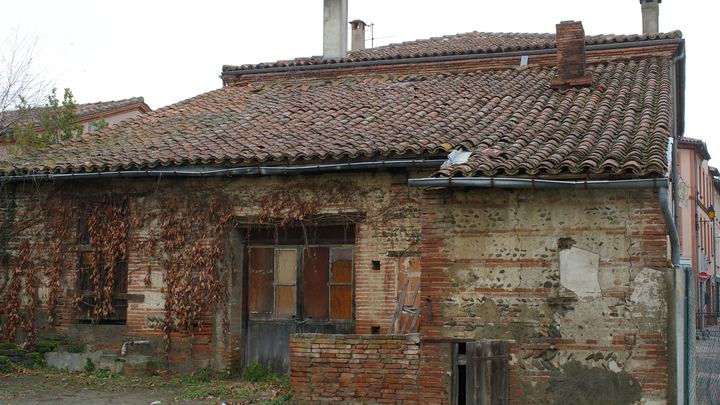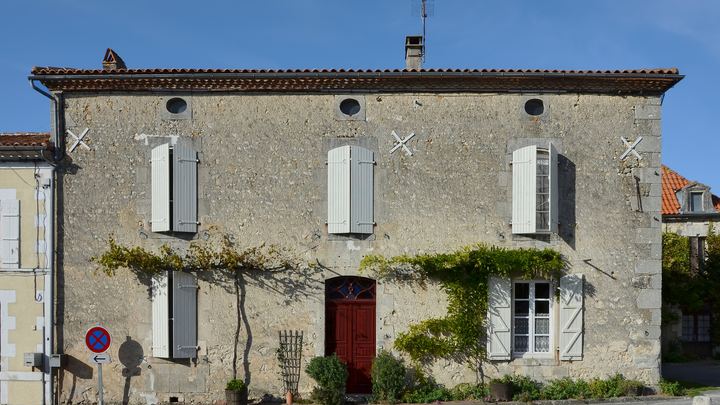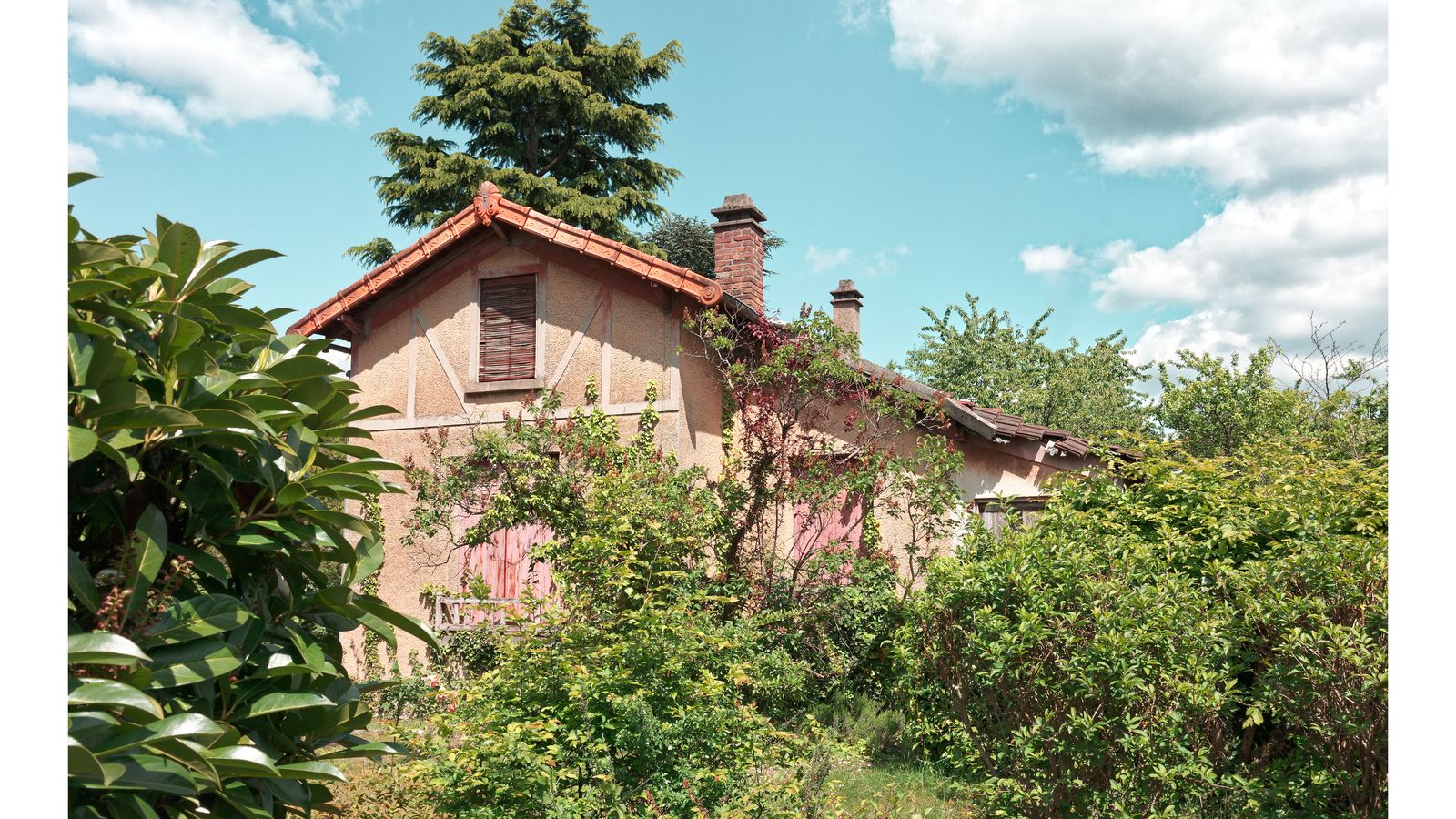
Fifteen years with the shutters closed: the house is not cross with you, it just needs someone to open the door.
A family home closed up for ten or fifteen years, the vegetation creeping in, dust on the furniture. We keep putting off the moment of going back. Yet every year it stays closed costs it value. Opening the shutters again is already the start of selling it.
What happens in a house that is closed up
With no heating or ventilation, damp sets in, the plaster deteriorates, and the roof and gutters are no longer watched. Vegetation invades the garden and the walls. An empty house also attracts break-ins and unlawful occupation.
Time works against the seller: a slipped slate becomes a leak, the leak damages a ceiling, then a floor. Buyers know this. In their offer, they deduct the works they can see, but also the ones they fear.
What a house that is waiting costs
Closed up, the house goes on costing money: property tax, insurance, utility subscriptions, minimal upkeep. Reread the insurance policy: many include special conditions when a home stays empty for a long time, and damage discovered late may be poorly covered.
The tax treatment depends on what is inside. Furnished, the house is in principle treated as a second home and remains liable for council tax (taxe d'habitation). Emptied of its furniture and unoccupied for at least a year on 1 January, in a municipality classed as a high-demand area (zone tendue), it may be liable for the tax on vacant homes: 17% of the cadastral rental value in the first year, 34% in the following years. Elsewhere, the municipality may have introduced a council tax on vacant homes, after two years of vacancy.
The rules are going to change. The 2026 Finance Act plans to merge these two taxes into a single one from 2027.
A fictitious example, to show the calculation: a house emptied of its furniture, in a high-demand area, that remains vacant.
Worked example: the tax on vacant homes
| Cadastral rental value | €2,400 |
| First year (17%) | €408 |
| Each following year (34%) | €816 |
Exemptions exist, in particular when the vacancy does not depend on the owner's will, for example a property put up for sale at the market price that finds no buyer. The tax office decides case by case.
Opening the shutters again is already the start of selling it.
Carrying out an honest condition survey
- Roof and gutters: an untreated leak quickly damages ceilings and floors.
- Damp: walls, cellars, bathrooms. In some départements, a prefectoral order flags a risk of dry rot (mérule), the fungus that loves damp, closed-up houses; the deed of sale must then mention it.
- Services: old wiring and plumbing, to be checked before anything is switched back on.
- Contents: furniture, keepsakes, family papers to sort through.
Photograph every room: these pictures will be useful for the insurance, the quotes and the decisions between heirs.
The diagnostic reports to plan for
The mandatory diagnostic reports are gathered in the technical diagnostic file, attached to the preliminary sale agreement. It is better to have them done before putting the house on the market. For a house: energy performance certificate (DPE); energy audit if the DPE rates it E, F or G; lead if it was built before 1949; asbestos if the building permit dates from before 1 July 1997; electricity and gas if the installations are more than 15 years old; sewage system, termites and statement of risks depending on the area.
A house closed up for a long time often gets a poor DPE. That is no reason to give up: the buyer will take it into account anyway, and the audit gives them a costed roadmap of the works, which reassures them.
Preparing the sale without redoing everything
You do not need to renovate in order to sell. But a few steps, in the right order, change how buyers see the house:
- Secure it: close off the access points, have anything that leaks repaired, turn off the water if necessary.
- Clear the undergrowth: in municipalities exposed to forest fires, it is sometimes a legal obligation around buildings.
- Sort and empty, then clean and air the house for several days.
- Have the diagnostic reports done, then estimate the price from the sales actually completed in the area (DVF database).
Emptying the house, the hardest step
For a family home, sorting through is often the heaviest step, both practically and emotionally. You can get help: house clearance companies, sale of valuable furniture, donations. Once empty, the house shows itself as it is, and buyers can picture themselves in it more easily.
Sell as is or after putting it back in order?
A badly deteriorated house mainly interests buyers ready to renovate and professionals. A house that has simply been closed up, once reopened and cleaned, can return to the conventional market. The two scenarios are compared, taking into account the cost and time of each option.
Take a typical case, fictitious but common: a village house closed up for twelve years, sound roof, furnished and dusty interior, DPE rated F. Reopening it, emptying it, cleaning it and having the diagnostic reports done takes a few weeks and a limited budget. Redoing the kitchen, the bathroom and the insulation would take months, for an uncertain result. In this case, the house is often sold after a simple tidy-up, with the energy audit to show buyers what awaits them.
Mistakes to avoid
- Switching the power back on without checks on an old installation that has not been used for years.
- Throwing papers away too quickly: title deed, plans, old permits and invoices for works are useful to the notary, and some invoices count in the calculation of the capital gain.
- Keeping quiet about a known defect (water ingress, crack): even with an "as is" sale clause, a seller who knew of a hidden defect remains liable for it.
- Waiting for all the heirs to agree before acting: each of them can take, alone, the measures needed to preserve the property, such as having a leak repaired. For the sale itself, see what to do when an heir refuses to sell.
Our approach
We come and see the house with you, take stock of its condition and its potential, and help you choose the simplest strategy for selling it. See also our page on selling a hard-to-sell property.
Frequently asked questions
Should an empty house be renovated before it is sold?
Not necessarily. Clearing the undergrowth, emptying, cleaning and repairing leaks is often enough to present it better; heavy renovation should be compared with a sale as is.
Which diagnostic reports are needed to sell an old house?
Depending on its age and installations: energy performance (and an audit if the house is rated E, F or G), electricity, gas, asbestos, lead, termites depending on the area, sewage system, statement of risks.
Does a house that is closed up but furnished pay the tax on vacant homes?
In principle no: a furnished home is treated as a second home, liable for council tax (taxe d'habitation). The tax on vacant homes targets homes empty of furniture.
Can one heir have the roof of the family home repaired alone?
Yes, if it is a matter of preserving the property: article 815-2 of the Civil Code allows each joint owner to take, alone, the measures needed to preserve it.
How long do the diagnostic reports remain valid?
Ten years for the DPE, three years for electricity, gas and non-mains sewage systems, six months for termites and the statement of risks. Asbestos and lead reports showing no anomaly have no time limit.
Sounds like your property?
Tell us about it: we look at your case with you, with no commitment.
Get a free opinionRead next