Your land may be a hidden treasure. Or just a very large garden. Here is how to tell the difference.
Your land has been for sale for months and the only idea on the table is to lower the price? Before giving in, check whether your property shows one of these five signs. They often mean it would interest other buyers, provided it is presented differently.
1. A large area in a building zone
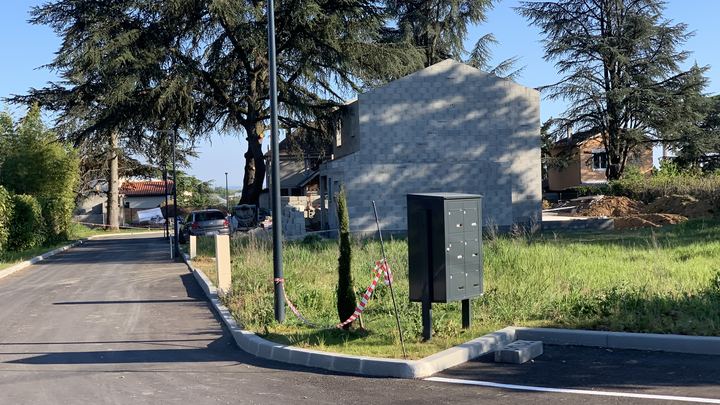
A private buyer looking for land generally wants enough to build a house with a reasonable garden. Above 1,500 m² in a building zone, your land often exceeds their needs… and their budget. It may, however, interest builders, development professionals or a project for several houses, provided you show what can be built on it.
The right reflex: consult the local urban plan (PLU) on the Géoportail de l'urbanisme and, if the potential seems real, apply for an operational planning certificate. It states whether a specific project is feasible and freezes the rules for 18 months.
2. Outbuildings that have not been put to use
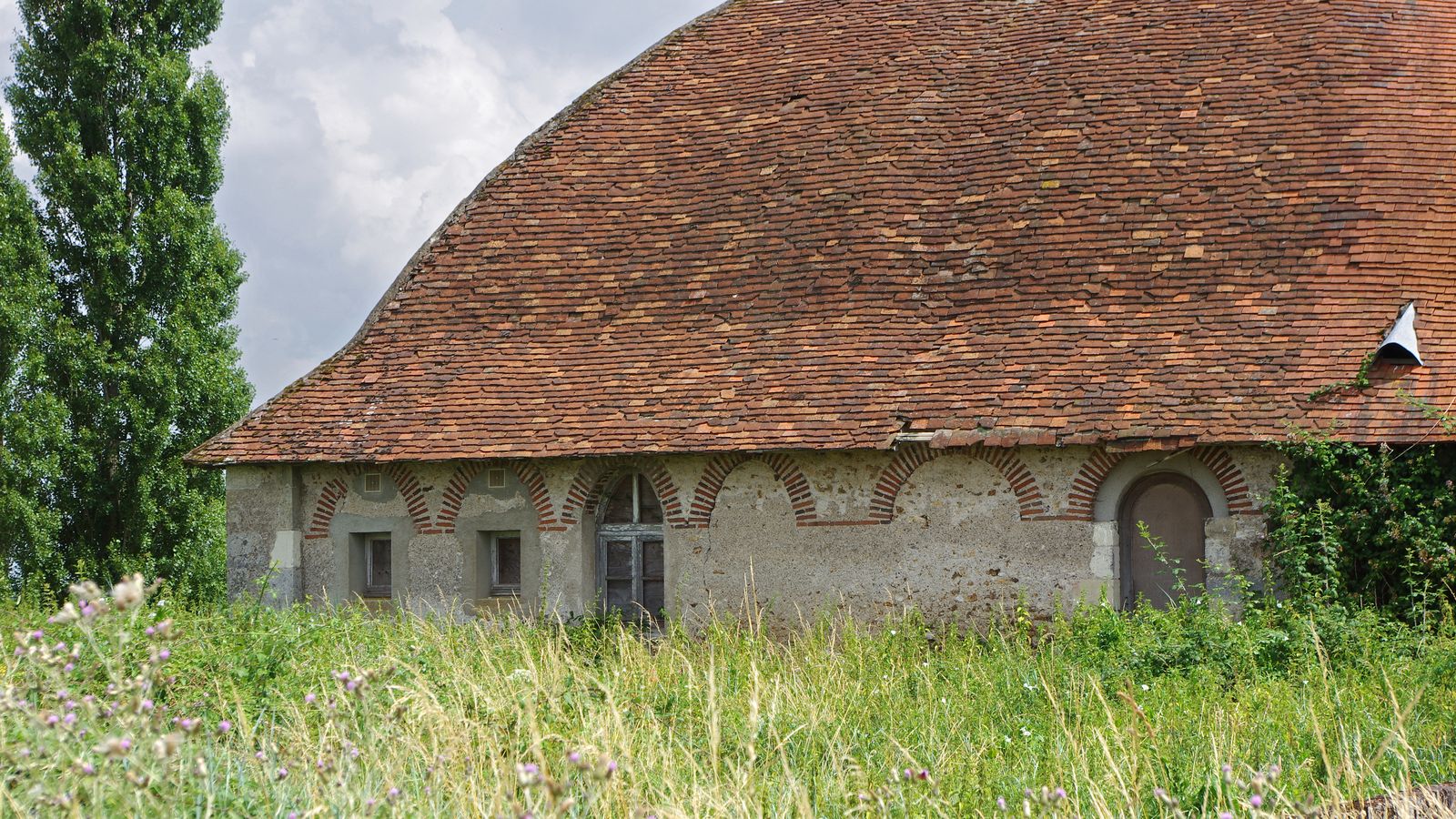
A barn, a shed, an old house to renovate, a separate garage: these buildings can put off a buyer who does not know what to do with them. But they can also become a home, a workshop, business premises, or be sold separately. As long as nobody has checked what the planning rules allow, they remain a "problem" in the listing instead of an asset.
The problem is not always the price. Sometimes the property is not shown to the right buyers.
3. Favourable zoning, poorly explained
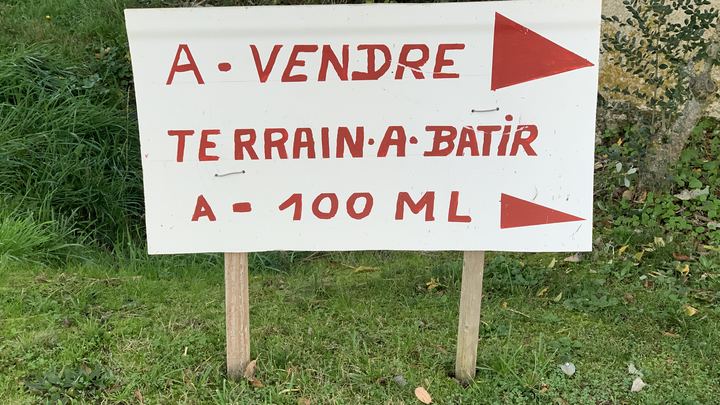
Your land is buildable, but the listing only gives an area and a price? Visitors cannot picture themselves there. A buyer wants to know how many square metres they can build, how far from the boundaries, with what access and which connections. A listing that answers these questions attracts more serious buyers, and faster.
4. Months on the market with no qualified viewing
Calls, a few viewings out of curiosity, but no serious offer: the problem is not always the price. Sometimes the property is simply not shown to the right buyers. A divisible 3,000 m² plot does not sell like a 600 m² plot on a housing estate, and is not found in the same place in buyers' searches.
5. The only option offered is a price cut
If nobody has looked at dividing the land, detaching a plot, selling the outbuildings separately or targeting professional buyers, a price cut means giving away value nobody has measured. Conversely, a poorly prepared division can be costly: boundary survey, planning permission, servicing, tax. Both scenarios need to be compared side by side, with figures.
What to do if this sounds familiar?
A single one of these signs is enough to justify a second look at your land. We review, free of charge and with no commitment, what the planning rules allow, which buyers to target and which sales strategy has the best chance of success.
Frequently asked questions
How do I know whether my land can be divided?
The local urban plan (PLU) gives the zone and the building rules. An operational planning certificate officially confirms whether a division project is feasible.
Who buys a large building plot?
Depending on its size and location: private buyers, house builders, development professionals or investors. Each looks for land in a different place.
Is it better to sell a barn with the land or separately?
It depends on what the planning rules allow and on the local market. Both scenarios should be compared before deciding.
Sources: Code de l’urbanisme, article L. 410-1 (certificat d’urbanisme, règles figées 18 mois) · geoportail-urbanisme.gouv.fr
Sounds like your property?
Tell us about it: we look at your case with you, with no commitment.
Get a free opinionOur guide: Building land →Read next