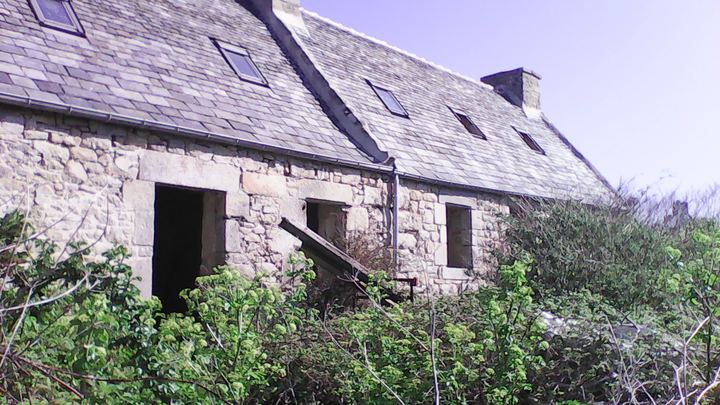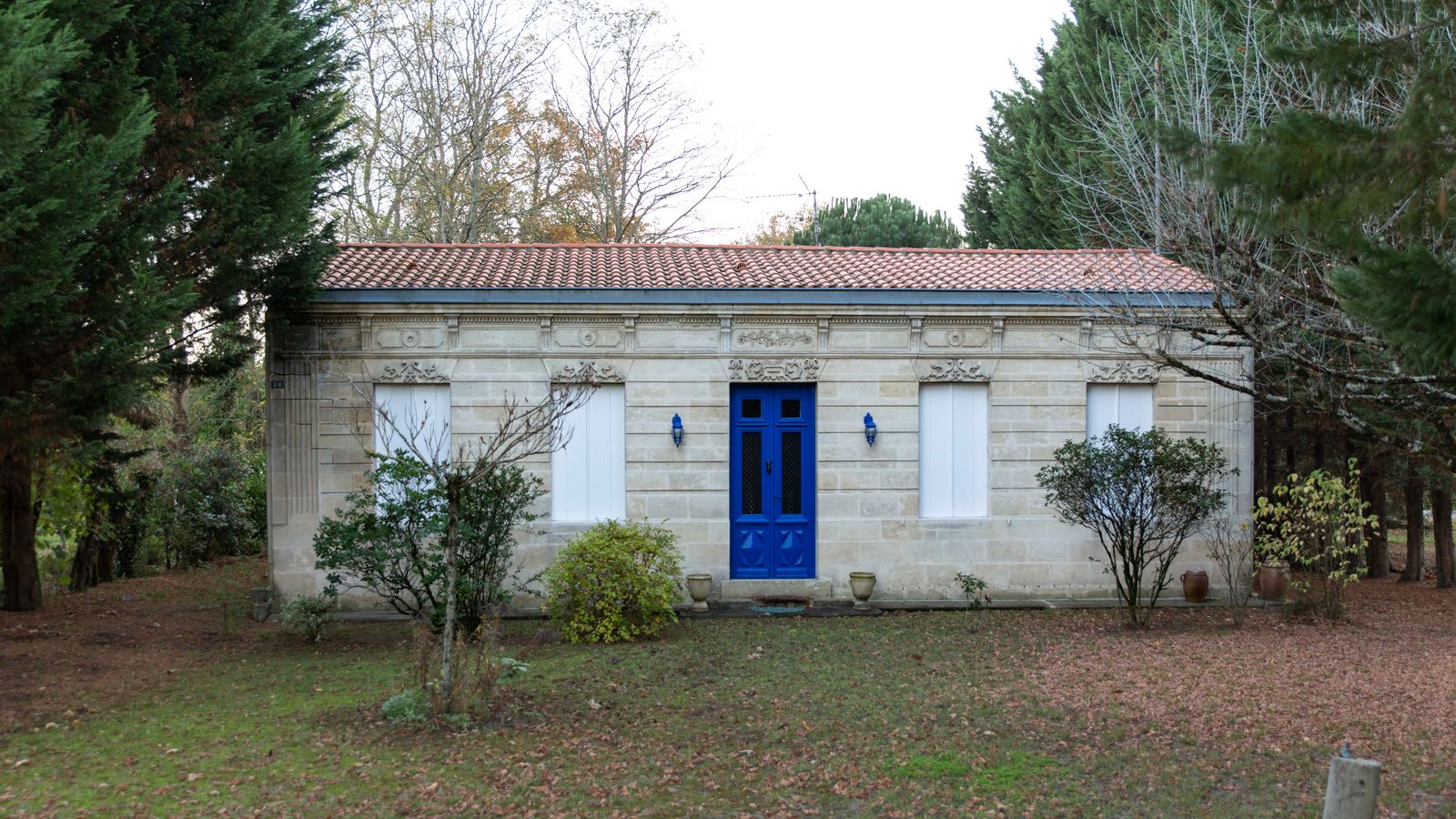
Your house gets more views on property portals than viewings? Good news: the price is almost never the only culprit.
Twelve months on the market, a few viewings, no serious offer. The usual answer is yet another price cut. Yet price is only one of the possible causes. Here are the seven points to review before selling off your property.
1. A price based on listings, not on sales
The prices shown for competing properties are not sale prices. Actual completed sales are public: the official DVF website (app.dvf.etalab.gouv.fr) shows the transactions of recent years, street by street. Comparing your price with these references, and not with listings, is the first check.
2. A listing that does not appeal
Dark photos or phone snapshots, cluttered rooms, generic text, no floor plan: the listing is your shop window. Buyers compare dozens of properties online and decide in a few seconds whether to ask for a viewing.
A buyer does not pay for potential they cannot see.
3. The energy rating, now decisive
Since 2023, selling a house rated F or G on the energy performance certificate (DPE) requires an energy audit; since 2025, this also applies to houses rated E. Buyers see the cost of the work, and banks take it into account. For investors, letting the most energy-hungry homes is gradually being banned. A poor rating does not prevent a sale, but it must be built into the strategy: costing the work, adjusting the price, or targeting buyers ready to renovate.
4. The wrong target buyers
A large house with 3,000 m² of land does not appeal to the same buyers as a standard suburban home. If the listing targets first-time buyers when the property would interest a craftsman, a blended family, a bed-and-breakfast project or a developer, viewings lead nowhere.
5. Potential nobody has shown
Divisible land, a barn that can be converted, extension potential, a second access: these assets are often missing from the listing because nobody has looked into them. Yet a buyer does not pay for potential they cannot see. A planning study can turn "large plot that is hard to maintain" into "land with a detachable building plot".
6. A legal or technical obstacle
Some obstacles appear at the preliminary agreement and make buyers run: a non-compliant individual sewage system (the buyer then has to do the work within a year), an extension or conservatory never declared, a poorly defined right of way, uncertain boundaries, disagreement between joint owners. Better to identify them and resolve them, or explain them, before putting the property on the market.
7. A "worn-out" listing
A property visible for a year, sometimes with several agencies at different prices, ends up worrying buyers: they wonder what is wrong with it. Taking the property off the market for a few weeks, fixing the points above and coming back with an entirely new presentation often works better than yet another price cut.
What to do now?
Go through these seven points one by one. If several apply to you, a price cut alone will not solve anything: the property needs to be repositioned. That is exactly what an outside view is for, one with no interest in defending the current listing.
Our approach
We analyse your property and how it is being marketed, free of charge: price compared with actual sales, untapped potential, obstacles to remove, buyers to target. Answer within 48 hours, with no commitment.
Frequently asked questions
Should I lower the price of a house that will not sell?
Not necessarily first. Start by checking the price against actual sales (DVF database), the quality of the listing, the energy rating, the target buyers and any potential that has not been highlighted.
Where can I see the actual sale prices of houses in my area?
On the public DVF website (app.dvf.etalab.gouv.fr), which lists property transactions of recent years.
Does a poor energy rating prevent a sale?
No, but for a house rated E, F or G, an energy audit must be provided to the buyer, who then factors the cost of the work into their offer.
Sources: Code de la construction et de l’habitation, article L. 126-28-1 (audit énergétique à la vente) · Code de la santé publique, article L. 1331-11-1 (assainissement non conforme : travaux dans l’année suivant la vente) · app.dvf.etalab.gouv.fr
Sounds like your property?
Tell us about it: we look at your case with you, with no commitment.
Get a free opinionOur guide: Hard-to-sell property →Read next