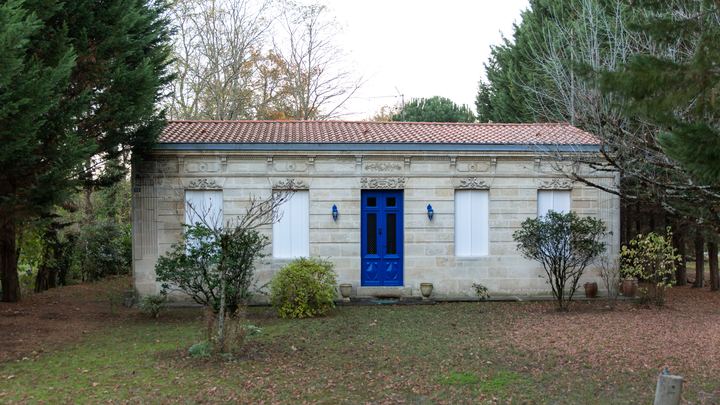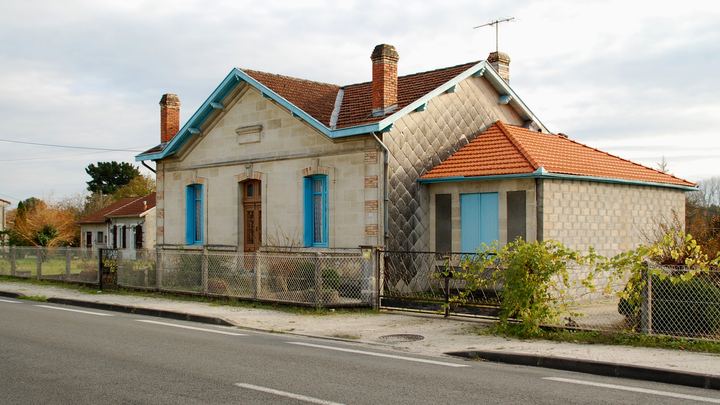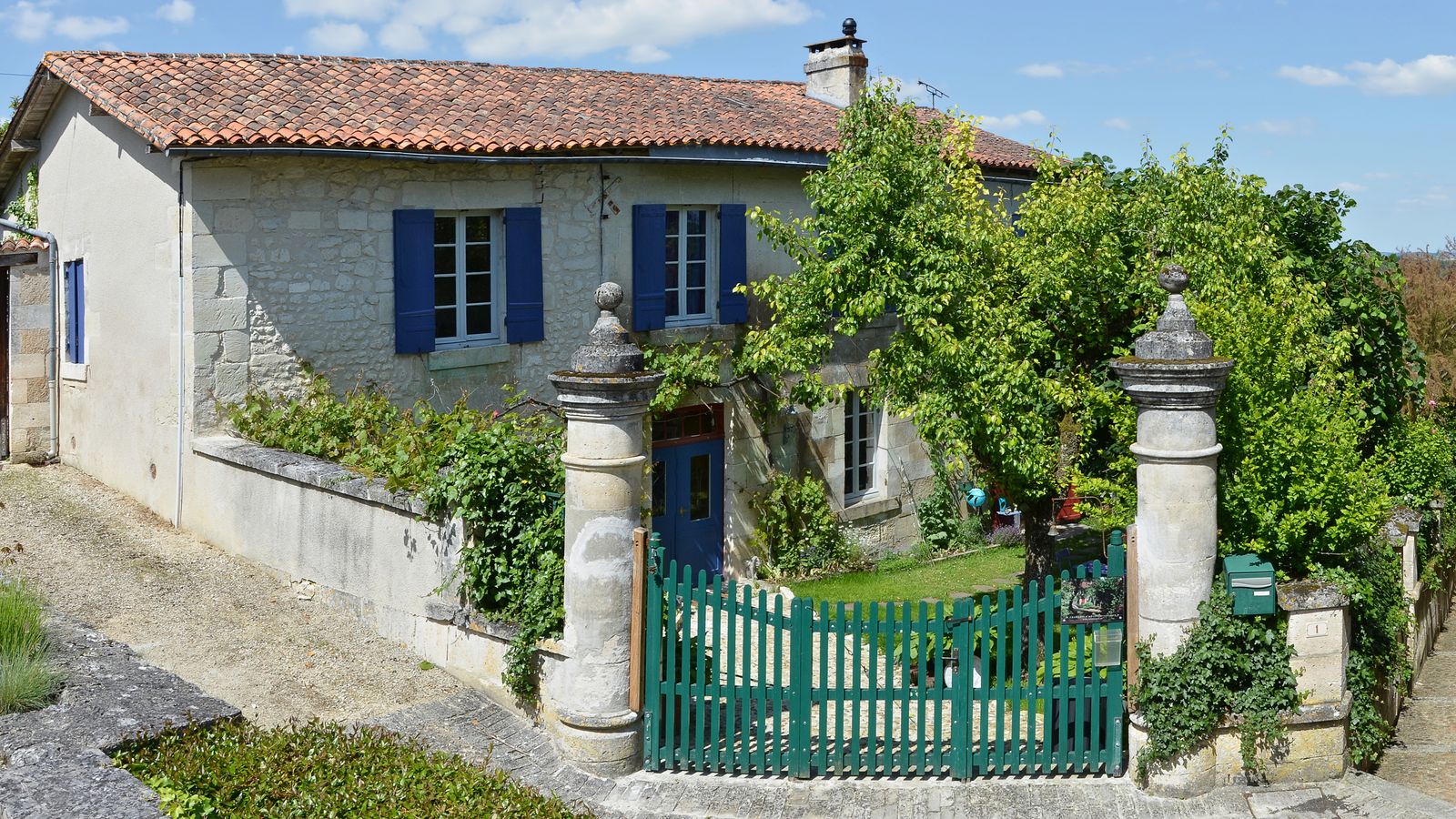
Your house is beautiful. In the photos, it looks like a warehouse on a rainy day.
The house is lovely, the neighbourhood pleasant, and yet the phone does not ring. Often, the problem is online, before the viewing even takes place. Three mistakes come up again and again, and all of them can be corrected.
Mistake no. 1: a price based on listings
The prices displayed for competing properties are asking prices, not sale prices. Basing yours on them often means overvaluing your property. Sales actually completed are public: the DVF database (app.dvf.etalab.gouv.fr) shows the transactions of recent years, street by street.
A fictitious example, to show the method: a 120 m² house listed at the level of two neighbouring houses on the market, compared with actual sales in the area.
Worked example: asking price and actual sales
| Asking price (120 m² × €2,500) | €300,000 |
| Comparable sales in DVF, last two years (120 m² × €2,150) | ≈ €258,000 |
| Gap with actual sales | more than 15% |
Buyers who have already viewed properties in the neighbourhood see it straight away. To compare, choose sales that are genuinely close: same type of property, similar floor area and land, same area. DVF says nothing about the interior condition: a fully renovated house and a house in need of renovation appear side by side.
A price that is too high has a perverse effect: the property does not appear in the searches of the right buyers, and it wears out for months before the first price cut. It is one of the most frequent causes of an unsold house.
Beware of budget filters. On property portals, buyers filter by budget: listed at €305,000, a house disappears from searches "up to €300,000", those of its most likely buyers.
Mistake no. 2: photos that work against the property
- Photos taken on a phone, dark or crooked.
- Cluttered rooms, unmade beds, personal belongings everywhere.
- The main photo shows the street-side façade when the real asset is the garden.
- No photos of the outdoor areas, the view or the light.
Buyers decide in a few seconds whether or not to click. Decluttering, opening the shutters, taking photos in good weather and choosing the right first photo make all the difference.
Buyers decide in a few seconds whether or not to click.
Mistake no. 3: a text aimed at no one
"Lovely family home, close to amenities": this text could describe any house. A good listing says who the property is for and what it makes possible: working from home in peace, having your parents to stay, setting up a bed and breakfast, extending on the land. It also answers the worrying questions: heating, works to be done, diagnostic reports.
Before writing, ask yourself one question: who is going to buy this house?
Who want a garden.
Looking for single-storey living.
Who need a home office.
The text, the order of the photos and even the first sentence follow from that.
The mandatory information, an argument too
A sale listing must display the energy and climate labels of the energy performance certificate (DPE) and, for a home, the estimated annual energy costs for standard use, with the reference year for prices. A home rated F or G carries the statement "home with excessive energy consumption". The listing must also indicate where to consult the risks to which the property is exposed (the Géorisques website). When a professional publishes it, the price is shown including fees, with the share payable by the buyer.
Rather than letting a poor energy rating speak for itself, explain it: an old boiler, uninsulated loft, and what the energy audit proposes to remedy it. An informed buyer often negotiates less than a buyer who discovers the problem during the viewing.
Correcting a listing, step by step
- Read the figures: views, contacts, viewings. Plenty of views and few calls: the price or the photos are the obstacle. Viewings with no offer: the price, or a defect the listing does not prepare buyers for.
- Redo the valuation using DVF and the opinion of a professional who knows the area.
- Retake the photos after tidying up, in good weather, choosing the main photo with care.
- Rewrite the text for the target buyers, answering the awkward questions in advance.
- Go back online with an entirely new presentation.
The false good ideas
- Cutting the price in small steps: €5,000 every two months is a sign of weakness for buyers, without ever reaching the right price.
- Piling on superlatives: "exceptional", "rare", "guaranteed to win your heart" are no substitute for precise information.
- Hiding the defects: the buyer will discover them during the viewing, and trust will be lost.
- Running different listings with several agencies: prices and photos that do not match from one site to another are worrying.
What if the property has already been online for a long time?
Withdrawing the listing for a few weeks, correcting the price, the photos and the text, then coming back with an entirely new presentation often gives better results than yet another price cut on a worn-out listing. The action plan for a property unsold for months sets out the steps to follow.
Our approach
We look at your listing through a buyer's eyes, and we tell you what, in our view, is holding back the sale: price, presentation or target buyers. See also our page selling a hard-to-sell property.
Frequently asked questions
How can I find out the real sale price of houses in my neighbourhood?
On the public DVF website (app.dvf.etalab.gouv.fr), which lists sales actually completed.
Are professional photos needed to sell?
They help a lot, but the essential thing is to declutter, let in the light and choose the right main photo.
Should a listing that is not working be withdrawn?
Often, for a few weeks: you correct what is blocking the sale and come back with a new presentation.
What information is mandatory in a sale listing?
The energy and climate classes of the energy performance certificate (DPE), the estimated annual energy costs, the statement "home with excessive energy consumption" for classes F and G, and access to information on risks (Géorisques). A professional adds their fees and specifies who pays them.
Does a private individual selling alone have to display the energy rating in their listing?
Yes: the DPE labels and the risk information apply to every sale listing for a property subject to the DPE, whether it is published by a professional or by a private individual.
Sounds like your property?
Tell us about it: we look at your case with you, with no commitment.
Get a free opinionRead next