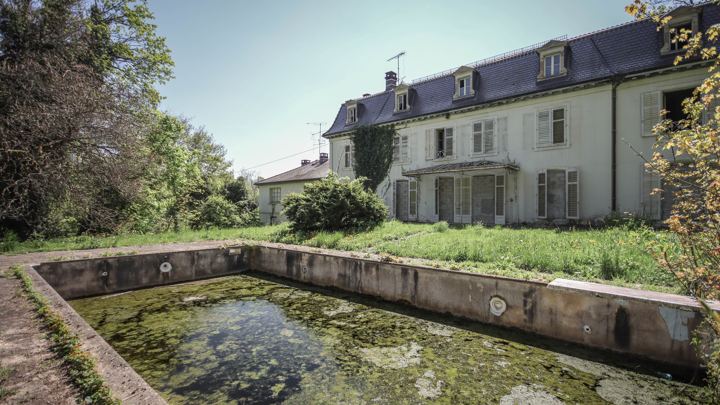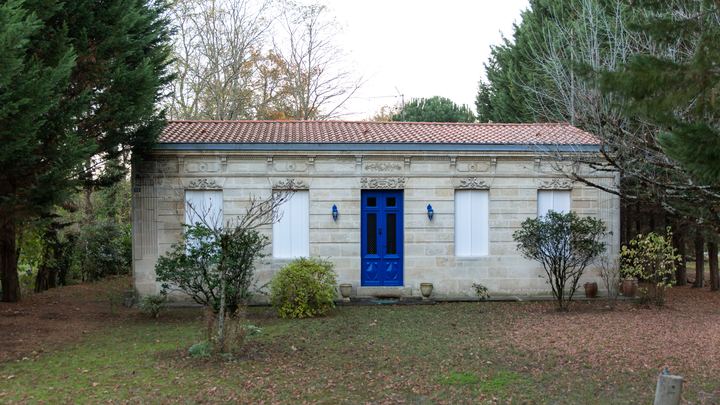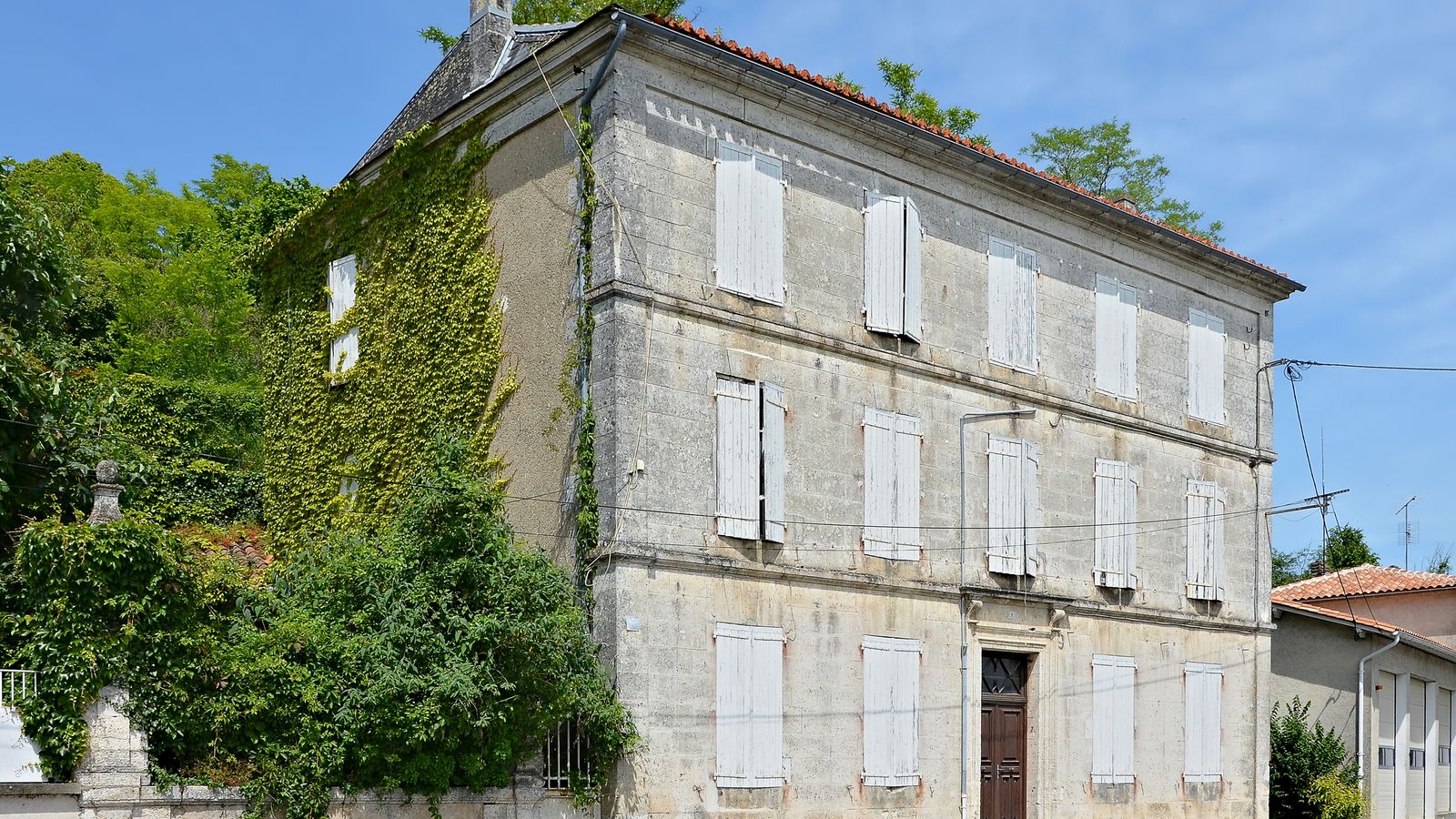
Eight bedrooms are wonderful at Christmas. The rest of the year, they are mostly eight bedrooms to heat.
Eight bedrooms, three living rooms, a huge attic: your house has been home to a whole family. But today, buyers in the area are looking for four bedrooms and an easy-to-maintain garden. The problem is not the house, it is the fit with the market.
Why a large house is daunting
Beyond a certain floor area, the total price exceeds the budget of local families, even if the price per square metre is reasonable. Buyers also worry about heating, upkeep, property tax and works. The result: few viewings, and offers well below the asking price.
Demographics are not on your side: according to INSEE, the French statistics institute, a household in France has 2.1 people on average (2024 data). And credit sets a strict limit: since 2022, the High Council for Financial Stability has required banks to cap repayments at 35% of the borrower's income, insurance included, over 25 years at most, save for regulated exceptions.
A worked example
Let us take a fictitious example, but one built on realistic assumptions. A 260 m² house with eight bedrooms, in an area where houses sell for around €1,900/m² according to recent sales published in the DVF database. The typical couple viewing it has two children and earns €4,500 net per month.
Worked example: what the visiting family can pay
Rate of around 3.3% over 25 years, the average level observed in summer 2026.
| Price at the local rate (260 m² × €1,900) | €494,000 |
| Maximum monthly repayment (35% of €4,500) | €1,575 |
| Possible loan with this repayment | ≈ €300,000 |
| Deposit | €60,000 |
| Shortfall, excluding notary's fees | more than €130,000 |
And the notary's fees, around 7 to 8% of the price for an existing property, come on top. The house is not too expensive per square metre: it is too expensive for the families who view it. A 10% reduction will not close this gap. Changing the audience or the project will.
The problem is not the house, it is the fit with the market.
Changing the audience
A very large house can suit buyers other than the conventional family:
Or several generations under one roof.
A bed and breakfast or holiday cottage project.
Who wants to live and work in the same place.
Who will divide it into several homes.
The listing, the photos and where it is advertised must then speak to these audiences, rather than to the general public. For a bed and breakfast project, highlight the separate entrances, the shower rooms and the parking; for several generations, the ground-floor bedroom and the independent spaces.
Dividing to sell better
Depending on the layout and the planning rules, a large house can be divided into several homes, or separated from its outbuildings and part of its land. Two properties of standard size often sell more easily than a single oversized one. Division requires permissions and sometimes works: always compare it with a sale as it stands.
A few rules to know before getting started:
- The Construction and Housing Code prohibits creating, by division, homes of less than 14 m² and 33 m³, or without drinking water, sanitation or electricity.
- Some municipalities require prior authorisation to divide a building into homes: check with the town hall.
- Creating openings or altering the façade requires at least a prior declaration; the standard processing time is one month.
- If the homes are sold separately, a co-ownership structure is needed (a division description and co-ownership rules), drawn up with a surveyor and the notary.
- Detaching part of the garden to sell it as building land is a different procedure, land division.
Showing the potential rather than the square metres
A plan showing how the house can be lived in (an independent suite, a study, a space for entertaining) helps buyers picture themselves there. An estimate of the annual running costs, presented honestly, reassures more than silence.
Large old houses often have a poor energy performance certificate (DPE) rating.
Energy audit from the first viewing. For a house rated E, F or G, an energy audit must be given to buyers from the first viewing (compulsory for E since 1 January 2025).
Rather than a drawback, make it a selling point: the audit puts a figure on the works and shows what they can gain.
Mistakes to avoid
- Lowering the price in small steps: each reduction signals a difficult property without changing the audience who view it.
- Putting the number of bedrooms in the headline: "8 bedrooms" scares a family; "family home with independent suite" makes it appealing.
- Showing empty or cluttered rooms: a room with no purpose looks useless. Give each room a function in the photos.
- Keeping quiet about running costs: the buyer will find out about them anyway, at the survey or offer stage.
Our approach
We look at the house, its land and its market, then identify the most suitable audience and sales strategy: a sale as it stands to a different audience, division or a sale to a professional.
Frequently asked questions
Why isn't my large house selling?
Often because its total price exceeds the budget of local buyers, even with a reasonable price per square metre, and because the listing targets the wrong audience.
Can a large house be divided into several homes?
Often, depending on the layout and the planning rules; you need to check the local plan (PLU) and apply for the necessary permissions.
Should I lower the price of a large house?
Not as a first step: changing the audience or the sales strategy often gives better results than a reduction.
Is an energy audit compulsory to sell a large house?
For a detached house rated E, F or G on the energy performance certificate, yes: it must be given to the buyer from the first viewing.
How long does it take to obtain planning permission for works?
The standard processing time is one month for a prior declaration and two months for a building permit for a detached house; it can be extended in certain protected areas.
Sounds like your property?
Tell us about it: we look at your case with you, with no commitment.
Get a free opinionRead next