Second homes, land, rooftop extensions: MPs have voted. The final word will come in December.
Reform of property capital gains tax comes back with every budget. This year, MPs settled several points on 16 October 2026. Nothing is final, but the votes already outline what could change for sellers of second homes, land and buildings.
Today's rules
When you sell a property that is not your main residence, the capital gain, that is the sale price minus the purchase price plus costs and works, is taxed at 19% income tax and 17.2% social charges. Allowances reduce the bill over time: exemption from income tax after 22 years of ownership, from social charges after 30 years. Above €50,000 of taxable gain, a surtax of 2 to 6% is added. The main residence remains exempt.
What the National Assembly adopted on 16 October
During the examination of the first part of the 2027 budget, MPs adopted several amendments that directly affect sellers:
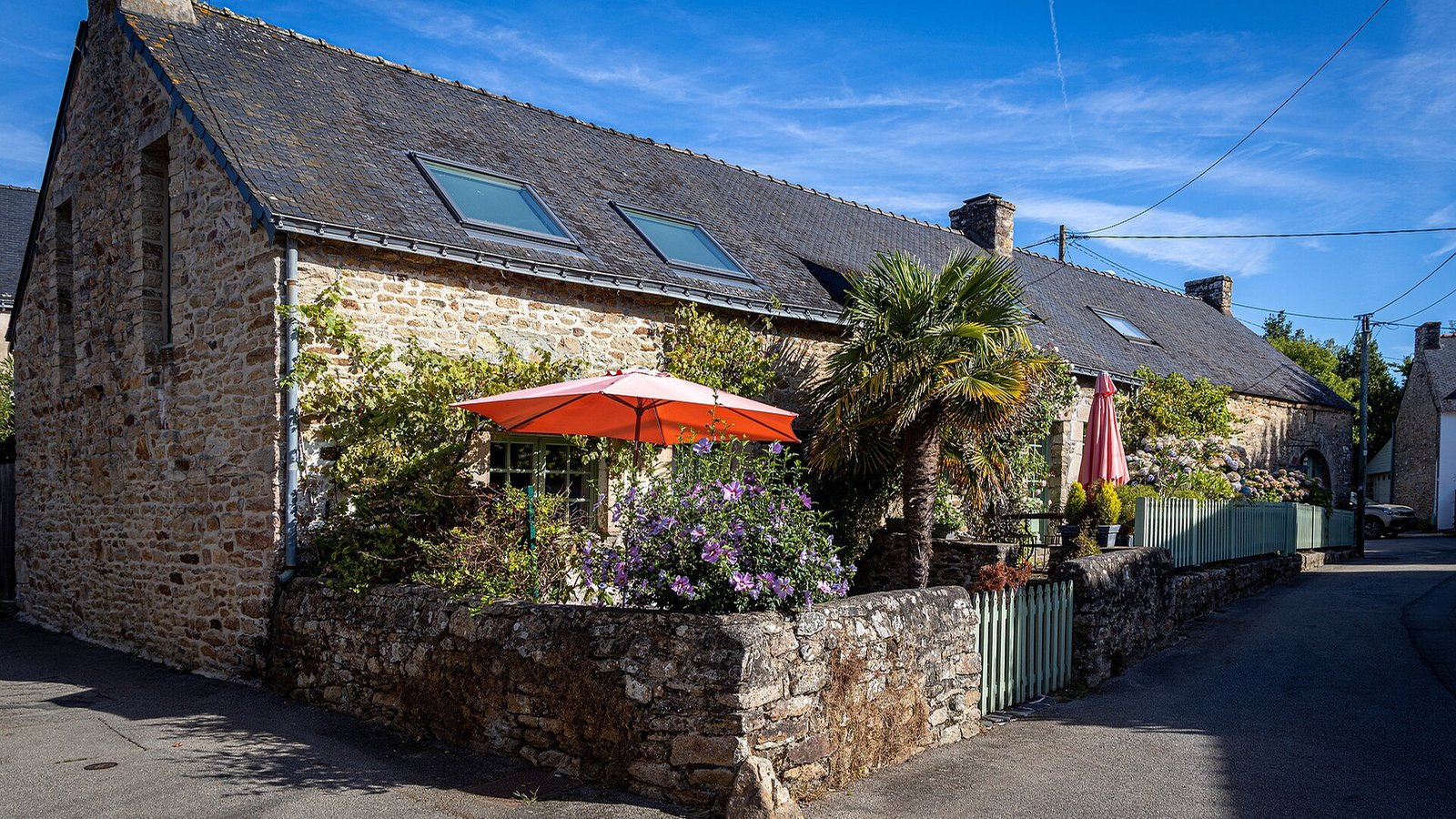
- Second home: 17 years instead of 22. Amendment no. 3484 reduces to 17 years the period after which a home other than the main residence is exempt from income tax, provided it becomes the main residence of the buyer or of a tenant. Social charges are not affected. The committee was in favour, the government against.
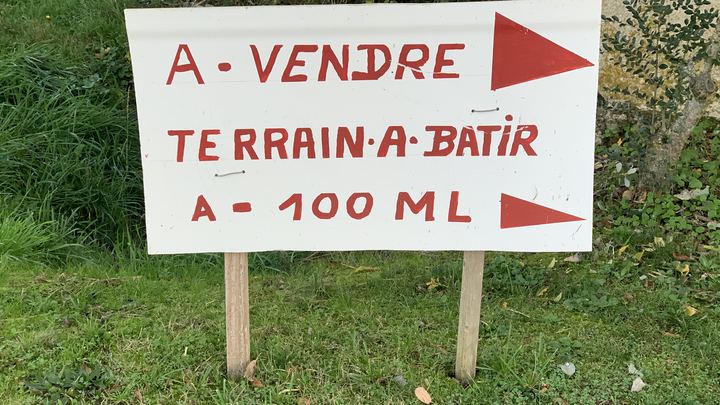
- Building land in high-demand areas. Amendment no. 1144 extends by two years the exceptional allowance of 60%, 75% or 85% on the capital gain from building land or a building sold to a buyer who undertakes to build housing on it. Currently, the preliminary sale agreement must be signed by 31 December 2027 at the latest.
- Rights to add storeys. Amendment no. 2275 extends until 31 December 2029 the exemption of the capital gain from selling the right to raise a building to create housing. It was due to end on 31 December 2026.
- Parent in a care home. The same day, MPs extended from two to three years the period for selling, tax-free, the former main residence of a person who has moved into an establishment. The details are in our article on selling the house of a parent in a care home.
Example with figures: a holiday home owned for 18 years
A fictitious case. A holiday home bought for €150,000 in March 2009 is sold for €280,000 in 2027, after 18 years of ownership. Calculation using the statutory flat rates of 7.5% for purchase costs and 15% for works.
| Purchase price plus flat rates | €183,750 |
| Gross capital gain | €96,250 |
| Tax and social charges under current rules | about €17,000 |
| With amendment no. 3484, if the buyer makes it their main residence | about €13,000 |
| Possible saving | about €4,000 |
The remaining €13,000 is social charges, which the amendment does not affect. If the buyer in turn uses it as a second home, nothing changes.
Have your capital gain calculated under both scenarios, then decide.
What MPs rejected
Several more radical proposals were dismissed the same day: taxing properties held for a long time more heavily to fight land hoarding (amendment no. 841, rejected despite the committee's favourable opinion); replacing the whole regime with a single 30% levy regardless of the length of ownership (no. 1460, rejected by 55 votes to 19); increasing the tax on building land held for a long time (nos. 2044 and 3688); exempting sellers who sell to a first-time buyer (no. 3571).
As of 20 October 2026, none of this is final. These amendments are part of the first part of the budget, whose vote, scheduled for 20 October, has been announced as postponed to 27 October. The text will then go to the Senate, which can change everything, before a final vote expected in December. Dates of entry into force will have to be read in the final text.
What this changes for sellers
If these votes are confirmed, three types of seller are directly affected:
No more income tax if the buyer makes it their main residence. Social charges remain due.
Two more years to sign a preliminary agreement with a developer. The allowance remains tied to their commitment to build.
The current exemption runs until 31 December 2026. Signing before then remains the safest option as long as the extension has not been voted.
For land, the conditions matter as much as the rate: the buyer undertakes to build multi-unit housing and to complete it within four years, on pain of a fine of 10% of the price, and a sale to a relative (spouse, parent, child, or a company in which they are partners) is excluded. Before signing anything, see how to read the local zoning plan for your land and the steps to divide a plot of land.
Should you wait for the vote before selling?
For a second home owned for 17 to 22 years, the new rule could be worth a few thousand euros. But it depends on a final vote, on a date of application that is still unknown, and on what the buyer does with the property. Delaying a sale for an uncertain advantage means risking selling later in a less buoyant market, while mortgage rates are rising again. The right reflex: have your notary calculate your capital gain under both scenarios, then decide.
Our approach
We support owners of land, buildings, second homes and inherited properties, often when the tax timetable matters. Calculating the capital gain remains your notary's job; ours concerns the price, the buyers and the right moment. Tell us about your property.
Frequently asked questions
Will second homes be exempt after 17 years from 2027?
Not yet. The amendment adopted on 16 October 2026 must survive the vote on the first part, the Senate and the final vote. It concerns income tax, not social charges, and requires the home to become a main residence.
Has the reform that would tax properties held for a long time more heavily been adopted?
No. The amendment that reversed the logic of the allowances was rejected in plenary on 16 October 2026.
Does the main residence remain exempt?
Yes. None of the amendments voted calls into question the exemption for the main residence.
Is my land in a high-demand area?
The classification depends on the municipality and is set by decree. Your notary or the town hall can confirm it before any preliminary sale agreement.
Who calculates and pays the capital gains tax?
The notary. They prepare the return and deduct the tax from the sale price on the day of the deed.
Sounds like your property?
Tell us about it: we look at your case with you, with no commitment.
Get a free opinionRead next